
Dental Implant Placement Procedure in Easley & Seneca, SC
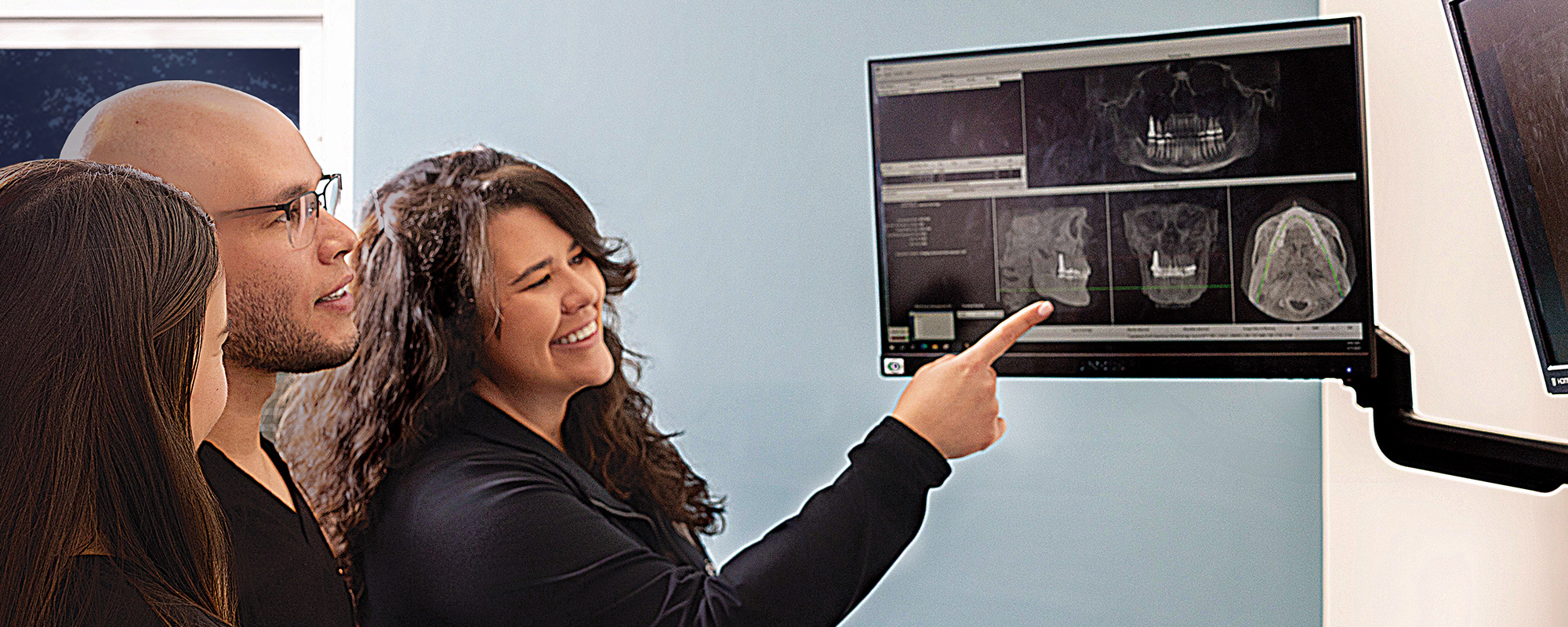
Dental implant placement is the surgical step that creates the foundation for a replacement tooth, bridge, or denture. At Upstate Oral & Maxillofacial Surgery & Dental Implant Center, this procedure is planned around your jawbone health, tooth replacement needs, and long-term restoration.
This overview explains what patients can generally expect before, during, and after dental implant placement, including treatment planning, surgery, healing, and the timing of the final restoration.
Before Dental Implant Surgery: Consultation and Treatment Planning
Before dental implant surgery, your oral surgeon will evaluate your oral health, jawbone support, and overall treatment needs. This may include an oral exam, imaging, and a review of your medical history to determine whether dental implant placement is appropriate for you.
Your treatment plan will also consider whether any additional steps are needed before or during implant placement, such as tooth extraction or bone grafting. During this visit, your oral surgeon can also discuss anesthesia or sedation options and coordinate with your restorative dentist, who will create the final crown, bridge, or denture once the implant has healed
The Dental Implant Surgical Procedure
The procedure to place a dental implant takes 30 to 60 minutes for one implant and only 2 to 3 hours for multiple implants. The number of appointments and time required vary from patient to patient. Our oral surgeons in Seneca, Easley, and Greenville, South Carolina, will bring precision and attention to your case.
Before surgery, you may receive antibiotics and, for greater comfort, intravenous sedation or nitrous oxide (laughing gas). These options are discussed with you at your consultation appointment. A local anesthetic will be administered to numb the area where the dental implant will be placed.
When you are comfortable, the surgeon makes a small incision in the gum tissue to reveal the bone, creates space using special instruments, and gently inserts the titanium implant. The top of this implant is often visible through the gum. It’s sometimes ideal in the early stages of healing to have the implant covered by the gum tissue.
Dental Implant Procedure Steps
Dental implant treatment occurs in stages, from preparing the area of the missing tooth to restoring the implant with a crown, bridge, or denture. While each patient’s plan is different, the process generally follows a sequence like the one shown below.
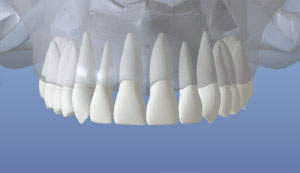
1. Normal
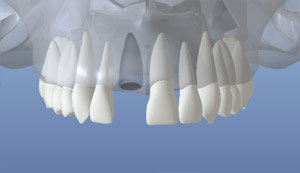
2. Tooth Loss
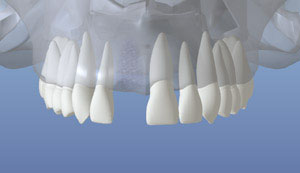
3. Healed Bone
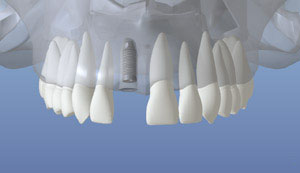
4. Implant Placed
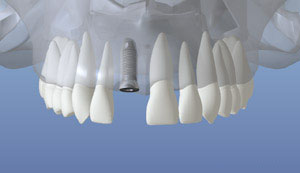
5. Healing
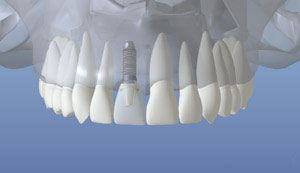
6. Implant Restored
The dental implant process may include:
- Tooth loss or removal: The process begins with a missing tooth or a tooth that needs to be removed. Your oral surgeon will evaluate the area to determine whether the bone and surrounding tissue are ready for implant placement.
- Bone healing or preparation: In some cases, the bone may need time to heal after tooth loss or extraction. If there is not enough bone support, bone grafting may be recommended to help prepare the area for a future implant.
- Implant placement: Once the site is ready, the dental implant is placed in the jawbone to act as an artificial tooth root. This creates the foundation for the future replacement tooth or teeth.
- Healing period: After placement, the dental implant will need time to heal and bond with the surrounding bone. This process helps create the stability needed to support the final restoration.
- Abutment placement: When the implant is ready, a small connector called an abutment may be attached to the implant. This piece helps connect the implant to the replacement tooth, bridge, or denture.
- Final restoration: Your restorative dentist completes the process by placing the final crown, bridge, or implant-supported denture. This restoration is designed to restore appearance, chewing function, and comfort.
Healing After Dental Implant Surgery
Healing time after dental implant surgery varies from patient to patient and depends on the quality and quantity of bone, the type of implant placed, and your overall treatment plan. In most cases, time is allowed for the bone to heal and bond with the implant before the final restoration is placed.
Your oral surgeon will monitor your healing during follow-up visits and determine when the implant is ready for the next step. In some cases, a support post called an abutment, or a healing cap, may be placed after the initial healing period to help shape the gum tissue and prepare the implant for restoration.
Once the implant is ready, your restorative dentist will complete the final crown, bridge, or implant-supported denture. If needed, additional soft tissue treatment may be recommended to improve the gum tissue around the implant site.
When are Dental Implants Placed?
Dental implants are often placed several months after a tooth has been removed. This allows time for the extraction site to heal and allows your oral surgeon to evaluate the bone before implant placement.
In some cases, an implant can be placed at the same time as a tooth extraction. This approach may help reduce the number of surgical procedures needed, but it is not right for every patient. The best timing depends on factors such as infection, bone quality, jawbone support, and the overall treatment plan. Patients who recently had a tooth removed should follow their post-tooth extraction instructions while the site heals.
When a tooth has been missing for a long period, bone loss may occur in the area. If there is not enough bone to support an implant, bone grafting may be recommended before implant placement. Your oral surgeon will determine the right timing for your implant based on your consultation, imaging, and treatment goals.
How Many Implants do I Need?
The number of dental implants needed depends on how many teeth are missing, the location of those teeth, the amount of jawbone available, and the type of final restoration being planned.
For a single missing tooth, one dental implant is often used to support a single crown. When several teeth are missing, implants may be used to support individual crowns or an implant-supported bridge. Patients missing all upper or lower teeth may have different treatment options, such as an implant-supported denture or a full-arch restoration.
Your oral surgeon will evaluate your jawbone, bite, and treatment goals during the planning process. From there, your oral surgeon and restorative dentist can determine the number and placement of implants needed to support your final crown, bridge, or denture.
Dental Implant Placement FAQs
Dental implant surgery usually takes about 30 to 60 minutes for one implant. If multiple implants are being placed, the procedure may take 2 to 3 hours. The exact timing depends on the number of implants, whether additional procedures are needed, and your personalized treatment plan.
Many patients remain awake during dental implant placement with local anesthesia used to numb the surgical area. Depending on your needs and comfort level, your oral surgeon may also discuss sedation options, such as nitrous oxide or IV sedation, during your consultation.
In some cases, a dental implant can be placed at the same time as a tooth extraction. This depends on the condition of the tooth, whether infection is present, the quality of the surrounding bone, and whether the area can support the implant right away. If immediate placement is not recommended, your oral surgeon may suggest allowing the area to heal first or performing bone grafting before implant placement.
Healing time varies from patient to patient. The implant needs time to bond with the surrounding jawbone before the final restoration is placed. Your oral surgeon will monitor your healing and let you know when the implant is ready for the next step.
The final crown, bridge, or implant-supported denture is placed after the implant has healed and is ready to support the restoration. Your restorative dentist completes this part of the treatment, while your oral surgeon monitors the implant site and coordinates with your dentist as needed.
The cost of dental implant placement can vary based on the number of implants needed, whether additional procedures like tooth extraction or bone grafting are recommended, and the type of final restoration being planned. Because every treatment plan is different, the best way to understand your estimated cost is to schedule a consultation with your oral surgeon. Patients can also learn more about factors that may affect dental implant cost.
Schedule a Dental Implant Placement Consultation
If you are considering dental implants, our team can evaluate your oral health, review your imaging, and explain the placement process based on your needs. Contact Upstate Oral & Maxillofacial Surgery & Dental Implant Center to schedule a consultation at our Easley or Seneca office.